Alleyster Font: Elevating Small Business Branding
I still remember the exact moment I realized my candle business had a branding problem. I was standing at a local maker’s market, watching potential customers pick up my jars, glance at the label for a split second, and then set them back down. The product inside was high-quality soy wax with premium fragrance oils, but my packaging looked like a DIY project from five years ago. I was using a generic, stiff typeface that felt cold and mass-produced. It didn't match the warmth, care, and artisanal quality of what I was actually selling. That afternoon, I decided to stop treating typography as an afterthought and started looking for a typeface that could carry the emotional weight of my brand. That search led me to Alleyster.
Finding Personality in Modern Calligraphy
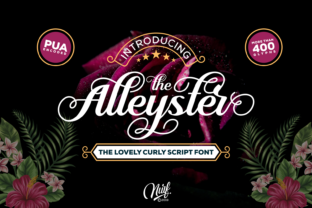
When you are a solo entrepreneur, every design choice feels incredibly personal. You aren't just picking a font; you are choosing the voice of your business. Alleyster immediately stood out because it isn't just another script font. It is a lovely curly script with a modern calligraphy style that feels genuinely handwritten rather than digitally manufactured. For a small business owner, this distinction matters immensely. We want our customers to feel a human connection, even if they are buying from us online or picking a product off a retail shelf.
The beauty of Alleyster lies in its amazing handwritten characters. Unlike rigid display fonts, it has a natural flow and rhythm that mimics the movement of a pen on paper. This organic quality brought an instant sense of authenticity to my brand identity. It wasn't trying too hard to be fancy, nor was it too casual to be taken seriously. It struck that perfect balance of approachable elegance that so many boutique brands strive for. When I first typed my business name in Alleyster, it finally looked like the vision I had in my head when I started pouring candles in my kitchen.
Transforming Packaging and Product Labels
The real test came when I applied Alleyster to my physical products. In the world of packaging design, readability and aesthetic appeal must coexist. I used this creative font for the primary product names on my jar labels. Because Alleyster works beautifully as a display font, it created a strong visual hierarchy. Customers could instantly identify the scent name—like "Lavender & Sage" or "Warm Vanilla"—while the supporting details remained clear and legible.
This is where understanding font pairing becomes essential for any entrepreneur. I learned quickly that while Alleyster is stunning for headlines and titles, it needs a partner to handle the heavy lifting of informational text. I paired it with a clean, minimalist sans serif font for the ingredients list, burn instructions, and safety warnings. This combination allowed the script to shine without sacrificing clarity. On small labels, especially for cosmetics or candles where space is limited, you never want to force a decorative typeface into tiny sizes. Alleyster performs best when given room to breathe as a focal point, creating a polished look that signals professionalism and attention to detail.
Creating Consistency Across Digital and Print
A major challenge for growing businesses is maintaining visual consistency across different platforms. My Instagram feed needed to match my packaging, which needed to match my thank-you cards. Before finding this premium font, my visuals felt disjointed. Adopting Alleyster as my primary brand typeface acted as a unifying thread. Whether I was designing a social media graphic announcing a new collection, printing stickers for shipping boxes, or laying out a seasonal price list, the consistent use of this specific lettering style made everything feel cohesive.
For my website banners and email newsletters, Alleyster added a touch of editorial design sophistication that elevated the entire user experience. In web design, first impressions happen in milliseconds. A unique, well-chosen typeface can communicate quality before a visitor even reads a single word of copy. I noticed that using this distinct script for section headers and promotional graphics helped guide the eye and break up blocks of standard body text. It turned functional pages into something that felt curated and intentional. For fellow online sellers, this kind of visual polish can be the difference between a browser bouncing and a customer staying to explore.
Practical Applications for Everyday Business Materials
Beyond logos and packaging, I found Alleyster to be incredibly versatile for the day-to-day assets that keep a small business running. Here is how I integrated it into various touchpoints:
- Thank-You Cards: Using the script for the header "Thank You" or personalized notes adds a layer of gratitude that standard fonts simply cannot convey.
- Business Cards: The font serves as a memorable logo alternative or accent, making the card feel like a keepsake rather than disposable advertising.
- Social Media Templates: Creating reusable quote templates or sale announcements with Alleyster ensures my feed remains recognizable even when the background images change.
- Event Signage: For pop-up markets, using this typeface on table runners and directional signs creates an immersive brand environment.
Navigating Licensing and Technical Details
As entrepreneurs, we must also be practical about the legal and technical sides of design assets. Before committing to Alleyster for commercial use, I made sure to check the licensing terms. It is vital to confirm that the license covers all intended uses, including physical merchandise, digital downloads, and client work if you are a service provider. There is nothing worse than falling in love with a typeface only to realize later that your usage requires a different tier of licensing.
I also took time to explore the included styles and alternates. Many modern typography files come with ligatures and swashes that can completely change the vibe of a word. Learning to access these OpenType features allowed me to customize the logo treatment so it didn't look identical to every other user's default output. Additionally, checking for multilingual support was important, as I occasionally create content for international customers. Ensuring the font supports necessary accents and special characters prevents awkward fallbacks to system fonts that break the visual harmony.
The Impact of Intentional Typography
Switching to Alleyster was more than just a cosmetic update; it was a strategic business decision. Typography affects how customers perceive value, trustworthiness, and brand personality. When my labels started looking as professional as established competitors, my confidence grew, and so did customer engagement. People began commenting on the "vibe" of the brand, and wholesale inquiries increased because retailers saw a cohesive, market-ready identity.
For any small business owner feeling stuck with their current visuals, I cannot stress enough the power of upgrading your typeface. You do not need a massive rebrand budget to make a significant impact. Sometimes, the solution is as simple as finding a font that truly speaks your language. Alleyster provided that bridge between my handmade roots and my professional aspirations. It reminded me that good design is not about perfection; it is about communication. By choosing a typeface that embodies warmth, craftsmanship, and modern elegance, I was able to tell my brand's story more effectively, one label, post, and package at a time. If you are building a brand that values connection and beauty, exploring Script Amp options like this one might just be the refresh your business needs to reach its next level.