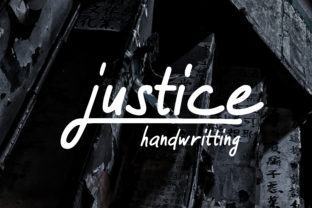
Justice Font: A Handwritten Typeface for Makers
The cutting mat was loaded, the vinyl weeded, and I was staring at a blank candle label template that felt entirely too sterile. As a maker who pours small-batch soy candles, I have learned that the scent brings customers back, but the label is what makes them pick up the jar in the first place. I needed something that felt like it was written by hand, yet clean enough to read across a crowded market table. That was the moment I opened the Justice font file. It wasn't just another script; it was the missing texture my branding desperately needed. This simple handwritten typeface transformed a generic glass jar into a bespoke product that looked like it belonged in a high-end boutique rather than a craft fair bin.
Finding Authenticity in Digital Typography
In the world of handmade goods and printable design, there is a constant tension between efficiency and authenticity. We want our products to look artisanal, but we also need the scalability of digital assets. Justice strikes this balance beautifully. Unlike overly ornate calligraphy fonts that can become illegible at smaller sizes, Justice maintains a grounded, approachable personality. It mimics the natural flow of a marker or brush pen without the chaotic flourishes that often plague script fonts. When I applied it to my "Lavender & Sage" candle line, the letters connected with a casual confidence that suggested human touch rather than algorithmic perfection.
This visual personality is crucial for creative entrepreneurs. Whether you are designing wedding invitations or packaging for organic skincare, the typography sets the emotional tone before the customer ever touches the product. Justice carries a warmth that feels nostalgic yet modern. It avoids the stiffness of traditional serif fonts while offering more structure than a messy doodle font. For makers using Cricut or Silhouette machines, this structural integrity is a lifesaver. The strokes are substantial enough to cut cleanly on adhesive vinyl and heat transfer vinyl, reducing the frustration of torn edges during the weeding process.
Elevating Product Labels and Packaging
Label design is perhaps where Justice shines brightest in a commercial crafting context. When designing for physical products, readability is non-negotiable. A customer needs to identify the product name and variant instantly. I tested Justice at various point sizes on 2x3 inch oval labels. Even at smaller scales, the open counters and consistent baseline kept the text legible. This makes it an excellent choice for secondary information on packaging, such as scent names, flavor profiles, or short inspirational quotes on gift tags.
Beyond simple labels, this typeface elevates the perceived value of unboxing experiences. I recently redesigned my tissue paper stickers and thank-you cards using Justice for the header text. The result was a cohesive brand identity that felt intentional. When customers receive a package where the typography on the exterior box matches the interior tag and the included care card, it signals professionalism. In the competitive landscape of Etsy sellers and Shopify shop owners, these typographic details contribute to brand recognition. Justice acts as a visual anchor, helping customers remember your shop not just by your logo, but by the distinct feeling your packaging evokes.
Practical Applications Across Craft Categories
The versatility of Justice extends far beyond candle making. Its neutral-yet-charming aesthetic makes it a workhorse for various creative niches:
- Wedding Stationery: Perfect for welcome signs, seating charts, and menu cards where elegance meets readability. It pairs beautifully with formal serifs for a balanced invitation suite.
- Printable Wall Art: Ideal for nursery decor, kitchen conversion charts, or motivational quotes. The font’s simplicity ensures the message takes center stage without visual clutter.
- Apparel and Tote Bags: Works exceptionally well for heat press projects. The stroke weight holds up on fabric textures, making it suitable for boutique t-shirts, canvas totes, and embroidered hat designs.
- Digital Planners and Journals: Adds a personal touch to digital templates. Use it for monthly headers, habit tracker titles, or affirmation pages to break up the monotony of standard sans serif body text.
- Seasonal Crafts: From holiday ornament tags to farmhouse-style wooden signs, Justice adapts to different themes without needing heavy modification.
Strategic Font Pairing and Layout Design
While Justice is a stunning display font, it performs best when supported by the right typographic partners. As a rule of thumb for product design, avoid pairing it with other complex scripts. Instead, let Justice be the star. For body copy, ingredient lists, or detailed instructions, pair it with a clean, geometric sans serif font. The contrast between the organic curves of Justice and the structured lines of a modern sans serif creates a professional editorial look. Alternatively, for a more vintage or heritage feel, try pairing it with a classic serif font. This combination works particularly well for coffee roasters, bakeries, and bookish merchandise.
When laying out your designs, consider the negative space. Justice has a relaxed rhythm that requires breathing room. Crowding the text diminishes its handwritten charm. On a mug design or a social media graphic, allow ample margin around the lettering. This not only improves readability but also enhances the premium feel of the final product. For those creating SVG files for sale, ensure you test the spacing at multiple sizes. What looks airy on a desktop screen might appear cramped when cut at two inches wide. Always prototype your designs physically before listing them as digital downloads or selling finished goods.
Navigating Licensing and Technical Specs
Before integrating any new typeface into your business workflow, due diligence regarding licensing and technical specifications is essential. Justice falls under the Script Amp category, which generally implies a focus on stylistic alternates and fluid connectivity. Check the specific license included with your purchase. If you plan to use the font on products for sale—whether physical items like shirts and mugs or digital templates like Canva links—you typically require a commercial license. Never assume a personal license covers business use; protecting your shop from copyright issues is as important as the design itself.
Additionally, explore the font’s OpenType features. Many premium handwritten fonts include ligatures, swashes, and alternate characters that can customize the look of specific letter combinations. Using these features can prevent repetitive letterforms in longer phrases, maintaining the illusion of genuine handwriting. Verify multilingual support if you serve international customers or create bilingual packaging. Finally, confirm file format compatibility. While OTF and TTF files work for most design software, having SVG versions is invaluable for crafters working directly in cutting machine software without intermediate design programs.
Creating Connection Through Lettering
Ultimately, the choice of typography in handmade business is about communication. We aren't just selling objects; we are selling feelings, memories, and connections. Justice facilitates this exchange by removing the barrier between digital design and human emotion. When a bride reads her welcome sign, she shouldn't be deciphering loops; she should feel welcomed. When a customer picks up a jar of honey, they should taste the sweetness in the lettering before opening the lid.
Integrating Justice into my creative process has been less about following trends and more about finding a reliable tool that respects the craft. It allows me to move from concept to finished product with confidence, knowing the typography will hold up whether it is printed on cardstock, cut from vinyl, or displayed on a screen. For fellow makers and sellers looking to refine their visual identity, this typeface offers a practical, beautiful solution that honors the handmade spirit while meeting the demands of modern commerce. It turns the act of reading into an experience, and in our line of work, that experience is everything.